
In some neighborhoods in the Bay Area, over 25% of garages are never used for parking. Instead, garages are filled with old boxes, used furniture, and tools. With the high costs of housing, limited space, and the need for generational housing, this problem becomes even worse. With high housing costs, it is a mistake to leave garages empty. However, garage conversions in the Bay Area are not simple remodels. These conversions are highly controlled, sensitive to designs, and require a significant amount of investment.
Because of this, there is a strong need for local knowledge, permitting, and construction for the project. This guide details strategies that successful homeowners used to convert garages into legitimate ADUs, rental units, home offices, or family suites. All of these strategies avoid complex compliance issues and costly delays.
Understanding Bay Area Garage Conversion Reality (Not the Sales Pitch)
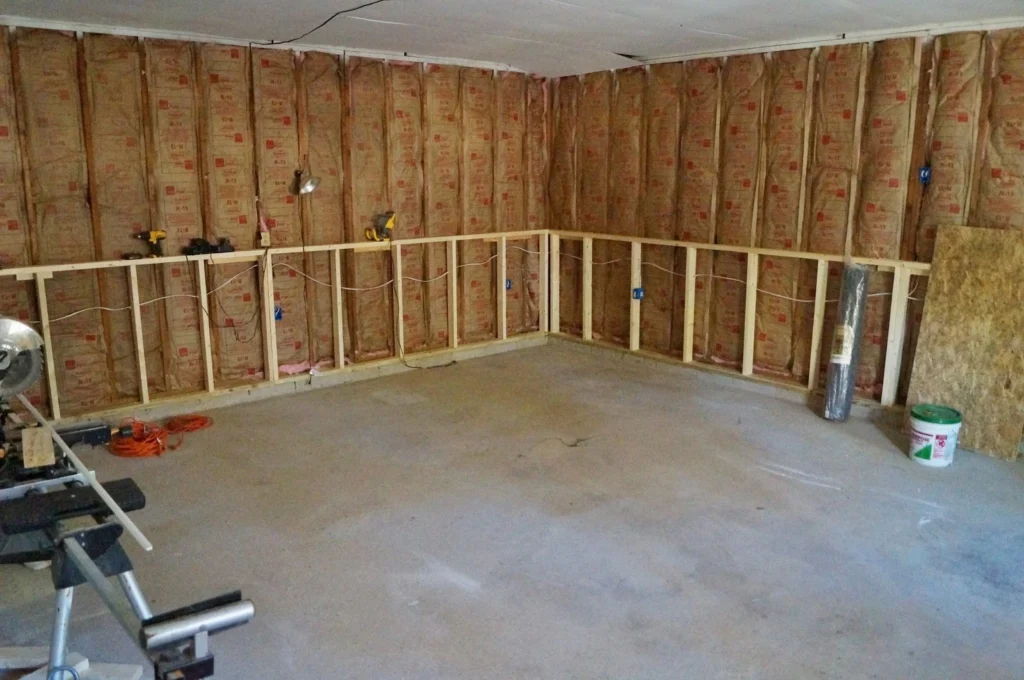
In such cities as San Jose, Oakland, Berkeley, Fremont, Palo Alto, and San Mateo, the garage conversions are regulated by the complex of California ADU statutes and city zoning ordinances, and the individual neighborhood requirements. You cannot just put up a garage and declare it habitable like in other places.
A legal conversion must meet:
- Title 24 energy compliance
- Setback and local zoning regulations.
- Minimum height of ceiling (typically 7 feet clear)
- Fire separation/egress requirements.
- Seismic and foundation specifications.
Delays in any of these may result in the rejection of the permits, fines, or resale problems.
This is why older homeowners consider garage conversions as mini-construction projects rather than home improvement projects.
Choosing the Right Type of Garage Conversion (Bay Area Use Cases)
Before permits or design, successful projects start with clear intent. In the Bay Area, garage conversions typically fall into four strategic categories:
1. ADU (Accessory Dwelling Unit) Conversion
This is the most valuable option financially. A properly designed garage ADU can generate $2,000–$3,500 per month in rental income depending on location.
Key requirements include:
- Full kitchen
- Private bathroom
- Independent entrance
- Dedicated or shared utilities (depending on city)
Cities like San Jose and Oakland are particularly ADU-friendly, but design efficiency is critical due to limited square footage.
2. Junior ADU (JADU)
Ideal for attached garages, JADUs are limited to 500 sq ft and often share utilities with the main house. This option works well for aging parents or adult children.
3. Home Office or Hybrid Studio
Post-pandemic, many Bay Area homeowners convert garages into sound-insulated offices, therapy rooms, or creative studios. These don’t always require full ADU specs but still need permits if structural changes occur.
4. Multi-Generational Living Space
In-law suites are typically converted garages, with accessibility factors and privacy separation, and are rather expensive to live in due to high housing prices.
Bay Area Permitting Strategy: How to Avoid 6–9 Month Delays
Underestimating local permitting timelines is one of the largest errors that homeowners commit.
Local Flavors in Cities That Count.
- San Jose: ADU plans: ADU plans should be in line with the pre-approved program of the city or they should be reviewed strictly.
- Berkeley: Garage conversion may be complicated by fire access and historical overlay areas.
- Oakland: The replacement requirements of parking might be implemented in the case when the garage was initially included in the requirements of parking.
- Palo Alto: popular are the height, FAR (Floor Area Ratio), and neighborhood compatibility reviews.
Professionals deal with experienced homeowners and:
- Hand over entire plan sets (architectural plan, structural plan, energy plan, and plumbing plan).
- Pre-check zoning and parking replacement regulations.
- Passing plan check in the first or second review.
- This will save months of carrying and redesign expenses alone.
Structural Reality: Why Most Bay Area Garages Need Upgrades
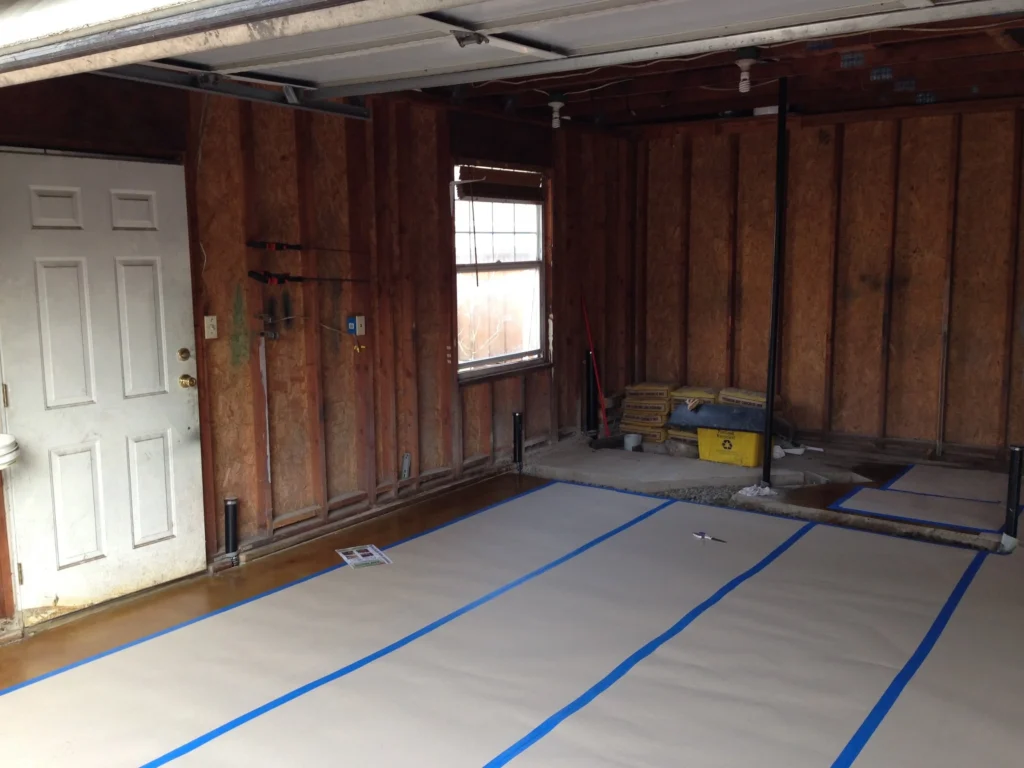
The majority of the garages that were constructed in the Bay Area prior to 1980s did not serve any residential use.
Common issues include:
- Unmoisture barricade slab bases.
- Walls and ceilings not insulated.
- Non-compliant framing
- Low ceiling heights
- No seismic reinforcement
- Asphalt-based Foundation and Seismic Upgrades.
Because of California seismic codes, numerous garage conversions demand:
- Thickening or replacement of slabs.
- Anchor bolts and shear walls
- Cripple wall reinforcement
This may result in inspections or later problems with insurance on ignoring.
Energy Efficiency & Title 24: Where Many Projects Fail
California does not compromise on Title 24 compliance. Even in the event that the remaining part of the house is old, garage conversions are required to comply with the current energy requirements.
This includes:
- High-performance insulation (walls, ceiling, slab edge, etc.)
- Energy efficient doors and windows.
- Mechanical ventilation installations.
- Firstly, high-efficiency heating (which can be ductless mini-splits).
The wise homeowners plan the energy compliance at the very beginning, rather than adding it later, which is much costly.
Smart Layout Design for Small Garage Spaces
The Bay Area garages are mostly 180-400 sq ft and layout strategy is essential.
- Good layouts of the garage ADU consider:
- Open concept living/ kitchen areas.
- Wall-mounted cabinetry
- Pocket or barn doors
- Vertical storage
- New windows or skylights to the natural light.
The layout may be very restrictive, and lower rental value is possible despite high quality of the building.
Utilities & Infrastructure: Hidden Costs You Must Plan For
The highest unexpected cost during garage conversion is utility upgrades.
Characteristic Bay Area considerations:
- Upgrades of the electrical panel (most older houses do not have enough capacity)
- Specialized meters and common utilities.
- Sewer lateral capacity
- Extensions of the gas line or all-electric conversions.
Cities are moving towards all-electric ADUs, particularly those with heat pumps and induction cooking, which can make permitting the unit and future-proofing easier.
Cost Breakdown: What Bay Area Homeowners Actually Pay
As of current market conditions, realistic garage conversion costs in the Bay Area range between:
- $120,000 – $180,000 for a standard ADU conversion
- $70,000 – $110,000 for non-habitable conversions (office/studio)
- $20,000 – $40,000 in soft costs (design, permits, engineering)
Homeowners who budget too low often face mid-project stoppages or scope cuts.
Long-Term ROI: Why Garage Conversions Outperform Remodels
Unlike kitchens or bathrooms, garage conversions:
- Add rentable square footage
- Increase property valuation
- Create flexible living options
- Hedge against Bay Area housing volatility
In many cases, a legal ADU pays for itself in 4–7 years through rental income alone.
Final Thoughts: Precision Matters More Than Speed
A garage conversion in the Bay Area is about getting it right the first time—not about speed. Zoning missteps, design inefficiencies, and unexperienced contractors can turn the investment into a loss. Homeowners who succeed understand that garage conversions require:
- Local code knowledge
- Clear use-case planning
- Structural and energy foresight
- End-to-end project management
If you want to convert your garage and need design and construction that is code compliant and incorporates Bay Area garage conversion insight, it is essential to collaborate with a construction team that specializes in the Bay Area. For dependable execution and garage conversion planning, Design by Construction by MM is a reliable partner for homeowners planning to convert neglected garages into valuable, high-end living spaces.