
One of the most convenient and worthwhile additions to your home is to add a bathroom. An additional bathroom can enhance everyday living, whether you have a growing family, need additional resale value, or simply want greater convenience. But when most homeowners embark on the project, one of the key questions they have to answer is the cost of adding a bathroom.
The cost of adding a bathroom varies widely and depends on the bathroom’s size, location in the house, materials used, and the level of plumbing and electrical work required. Some minor bathroom extensions can be made with a few thousand dollars, however, bigger or luxurious bathroom extensions can also have big budgets. It can be beneficial to identify the key factors driving expenses and to make better decisions and plans with this knowledge.
Average Cost of a Bathroom Addition
The average price of a bathroom addition is between $10,000 and $50,000 or more based on the scope of the project. A toilet with a half-bath is less expensive, whereas a complete bathroom with a shower or a bathtub is an even more expensive investment. Luxurious bathrooms will come at a high price, with personalized tiles, big walk-in showers, and high-quality fixtures.
The site of the bathroom is also a factor which contributes to the final price. Locating a bathroom close to the existing plumbing systems is normally less expensive since it would not require a lot of pipes to be installed. This is contrary to having a bathroom installed in an entirely new space in the house, where it might be necessary to do more construction and plumbing work.
Size and Layout of the Bathroom
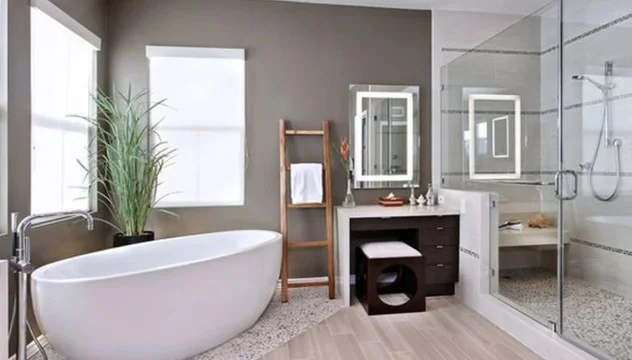
The size and layout of a space is one of the largest forces that influence the cost of the addition of a bathroom. A small half-bath primarily used by guests can need relatively little space and the material resources, thus it is a cheaper choice.
A complete bathroom that has a shower, bathtub, vanity and storage cabinets also consumes more square feet and construction labor. The design is also important since relocation of plumbing pipes or alteration of walls can raise labor expenses. Homeowners usually collaborate with designers or builders to design a layout that is both as spacious as possible and comfortable and functional.
Plumbing and Electrical Requirements
Any bathroom addition must have plumbing and electrical systems. Such systems should be installed properly in order to make the bathroom safe and effective. Plumbing involves setting up water supply lines, drainage lines, sink, toilet and shower links.
Electrical installation can be done in installing lighting fixtures, fans, heated floors or outlets in the vicinity of the vanity. Electricians are required to maintain all wiring to the standards of safety as bathrooms need to be well ventilated and must be protected by moisture blocking. These installations may be quite complex and this may affect the overall cost of the project.
Materials and Fixtures
The budget of the bathroom addition can be highly dependent on the materials and fixtures chosen. Simple fixtures like ordinary toilets, sinks and bathtubs are often cheaper, as the availability of luxurious fixtures with advanced technology can increase the price.
Flooring, tiles, countertops and cabinetry are also significant in expense determination. As a case in point, the cost of ceramic tiles can be much lower, whereas such materials as natural stones as marble may be much higher. Custom vanities, luxury showers, or high-quality finishes will require higher costs on the project by the homeowner.
Labor and Construction Costs
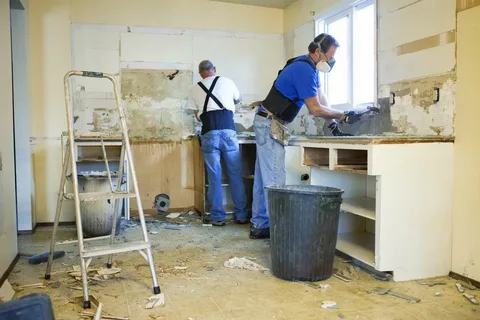
Another factor that contributes to the total cost of bathroom addition is labor. Experienced workers like plumbers, electricians, carpenters and tile installers are usually needed to complete the project in a proper manner.
The construction can include framing up of new walls, insulation, drywalling and finishing the space with fixtures and finishes. Labor costs may take up a significant share of the total budget depending on the complexity of the project. Recruiting qualified professionals assists in bringing about safety and compliance to the building standards.
Permits and Inspection Fees
Most of the extensions of bathrooms are subject to building permits where they are inspected to ascertain that the project conforms to the local laws. When the plumbing, electrical systems, or structural changes are involved, permits are normally required.
Different stages of the project may also attract inspection fees to ensure that the work does not violate the safety and construction codes. Although these costs might be construed as an unnecessary cost, they are necessary to make sure that the addition of the bathroom is constructed properly and within legal provisions.

Additional Features That Increase Costs
Other homeowners opt to have other features that make their homes more comfortable and luxurious. The upgrades that are in demand and may add to the project price are heated floors, bespoke lighting, frameless glass showers, and intelligent bathroom technology.
Storage units like inbuilt cabinets or double vanities may also increase the budget. These upgrades can enhance the functionality and appearance of the bathroom, and thus the investment can be considered worth the cost of many house owners.
Is a Bathroom Addition Worth the Investment?
Although it may be expensive, the addition of a bathroom can be of long-term value to the homeowner. Additional bathrooms will make the home more accommodating to the family and guests by decreasing the wait time during peak hours in the mornings.
In the real estate asset, the number of bathrooms can add value to the house and make homes more appealing to potential buyers. Investment in home improvement is worthwhile as many of the homeowners discover the convenience and functionality that comes with the investment.
Conclusion
Prices of addition of a bathroom will vary depending on various factors such as the size and materials used, plumbing needs, and cost of labor. It is possible that small projects in bathrooms can cost less, but larger renovations with high-end finishes need to have a bigger budget.
A budget-friendly and functional bathroom can be designed with enough planning, consideration, and expert advice, and can suit the needs and budget of homeowners. When you are planning to add a bathroom and seek professional advice on planning and design, you could call Design by MM and discuss the options that are available to you and get your vision realized through a well-thought remodeling project.